
Demand forecasting
Forecast demand to plan inventory and capacity.
Logistics AI has to hold up against real-world disruption. We build demand, routing and inventory systems with the monitoring and resilience operations teams rely on.
SECTOR HIGHLIGHT
Routing
Optimization and financing tools for freight, inventory, routing, and disruption response.
See logistics casesDisruption is the norm, not the exception. We build models that stay useful when conditions change.
Weather, demand spikes and delays break brittle plans.
Data sits across systems and partners and has to be unified.
Routing and allocation decisions happen continuously.
Optimizing cost and emissions together is a hard tradeoff.
Forecast demand to plan inventory and capacity.
Optimize routing, loads and fleet utilization.
Right-size stock across the network and reduce waste.
Computer vision for sorting, counting and quality.
Anticipate delays and risks before they cascade.
Measure and cut the footprint of moving goods.
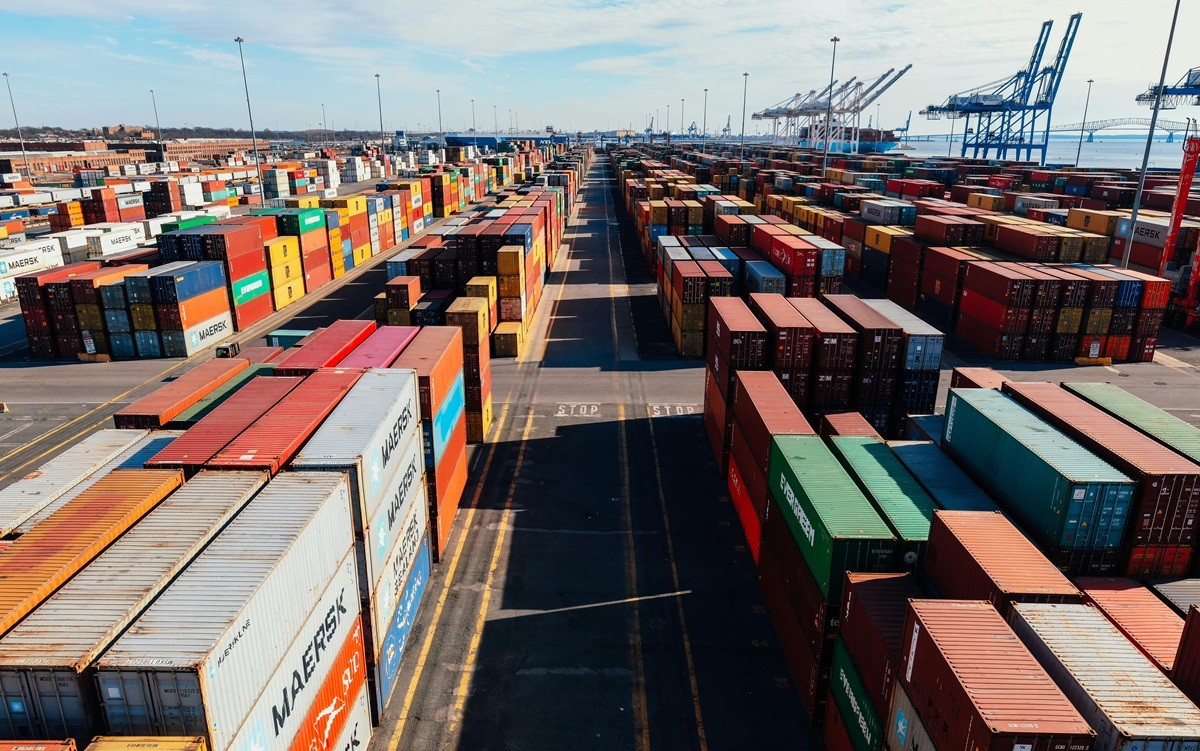 Sustainability · Carbon Reduction
Applied AI across logistics planning to cut emissions and operating costs in enterprise supply chains.
Read case study Route Optimization · Carryt
Machine learning and graph theory optimized delivery routes while lowering fuel use and emissions.
Read case study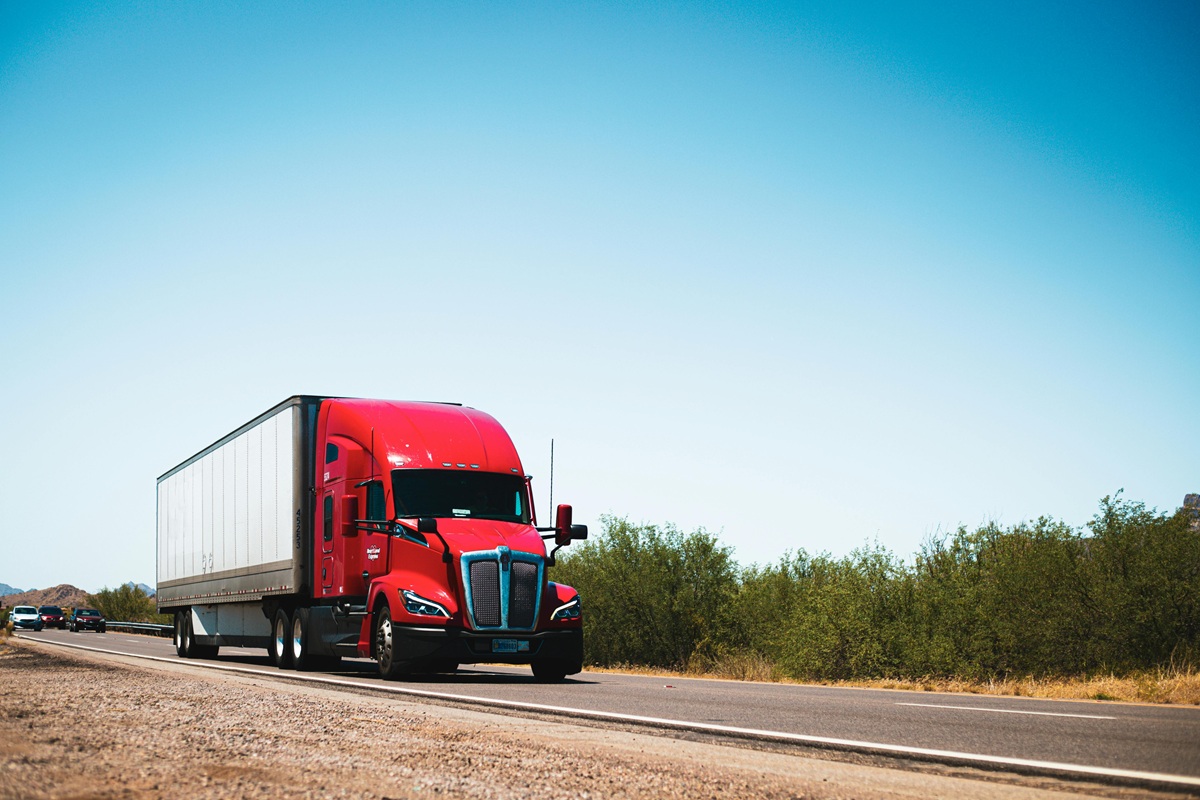 Last-Mile Delivery
AI-enhanced route optimization for faster and more reliable last-mile delivery operations.
Read case study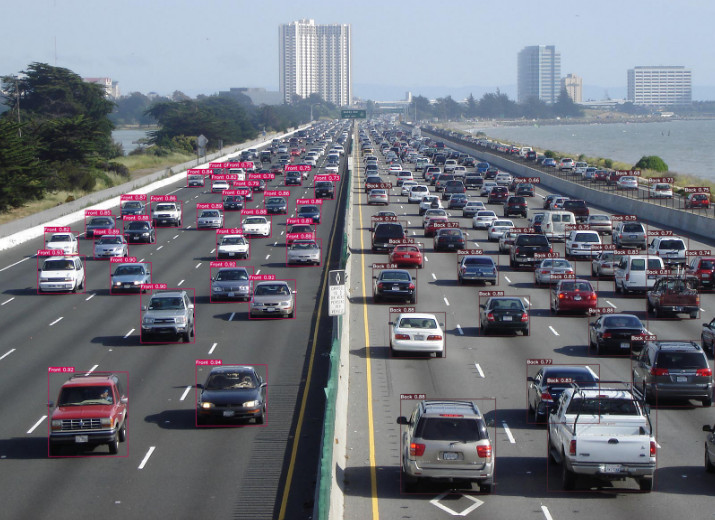 Urban Mobility · Forecasting
Short-term congestion prediction using machine learning for better logistics and city planning.
Read case studyAI in supply chain refers to the use of artificial intelligence technologies like machine learning, predictive analytics, optimization algorithms, computer vision, and intelligent automation to improve logistics operations, inventory management, transportation planning, supply chain visibility, and operational decision-making.
AI is used in supply chain management for route optimization, inventory forecasting, shipment visibility, logistics automation, supplier coordination, demand prediction, disruption monitoring, and transportation intelligence.
Examples include AI-powered route optimization systems, supply chain visibility platforms, demand forecasting models, inventory optimization systems, cargo inspection AI, AI agents for logistics operations, and predictive transportation analytics.
Yes. AI-powered supply chain visibility solutions help organizations monitor shipments, predict delays, identify operational bottlenecks, and improve transparency across transportation and logistics networks.
AI agents in supply chain operations automate workflows, analyze operational data, support logistics planning, generate recommendations, and improve decision-making across supply chain environments.
Yes. Omdena develops custom AI-powered supply chain management solutions tailored to logistics providers, manufacturers, pharmaceutical companies, transportation operators, retailers, and enterprise supply chain teams.
Talk to a solutions architect about resilience, monitoring, and a verified path to deployment.
Book a Demo