
PROGRAM
Problem framing
Turn broad AI ambition into a testable technical and business question.
- Production-aware
- Reviewed with evidence
Explore, validate, and de-risk AI approaches with research workflows that keep feasibility, evidence, and implementation constraints visible from the start.
Validate
Before you commit
Prototype
With production constraints
EVIDENCE-LED R&D
Research questions, experiments, evaluation, and implementation risk stay connected.
Turn broad AI ambition into a testable technical and business question.
Review availability, quality, representativeness, privacy, and gaps.
Compare approaches against feasibility, cost, and risk.
Define the measures that show whether an approach is worth scaling.
Create a narrow but real implementation path for stakeholder review.
Document limitations, governance considerations, and next-step constraints.
Leave teams with the notes, code, decisions, and evidence they need.
Make a clear build, pause, partner, or retire recommendation.
Omdena research work keeps experiments close to engineering reality, so the final decision is grounded in data, code, reviews, and operational constraints.
WHAT THIS MAKES PRACTICAL
FLOW - assess - build - embed
Define the question and decision criteria
Test data, models and constraints
Compare evidence against adoption needs
Recommend the production path
Know whether a product idea deserves build investment.
Separate strong opportunities from noisy AI experiments.
Evaluate architecture, model, and data tradeoffs early.
Test AI options before committing field resources.
Make AI investment decisions with evidence, not hype.
Turn promising research into implementation-ready direction.
Capture assumptions, constraints, and what decision the research must support.
Run focused experiments against real data and implementation limits.
Use structured review to keep claims, code, and evidence aligned.
Build enough of the system to learn what production would require.
Deliver a clear next-step decision with risks and evidence attached.
Evidence
Feasibility findings, benchmarked prototypes, and a documented recommendation.
Proof
A clear path from maybe to scoped production build, or a documented no-go.
Reusable
Code, evals, notes, and constraints your team can carry into delivery.
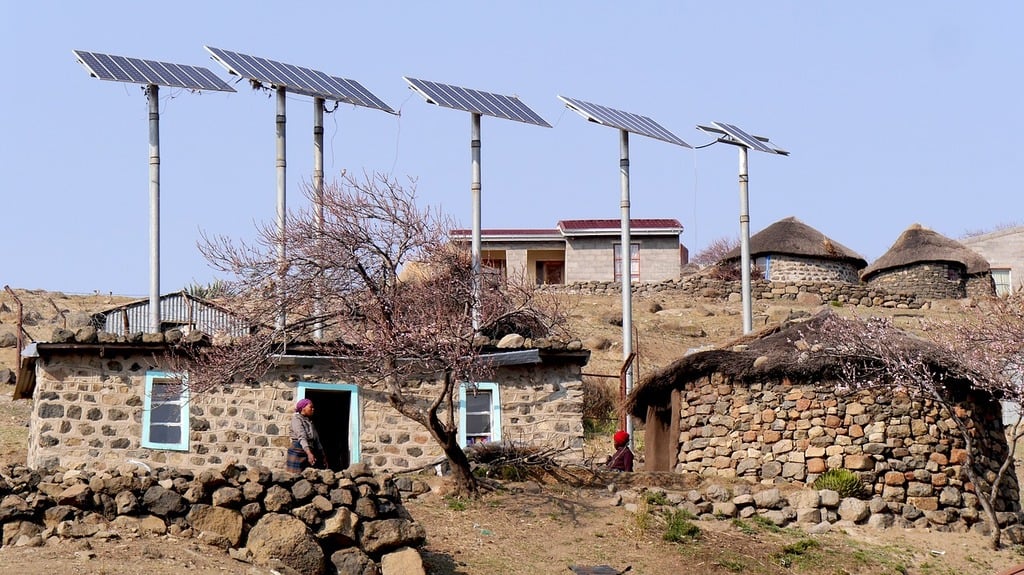 Geospatial AI · Energy
Combining satellite imagery, demographic, and infrastructure data to prioritize rural electrification investments.
Read case study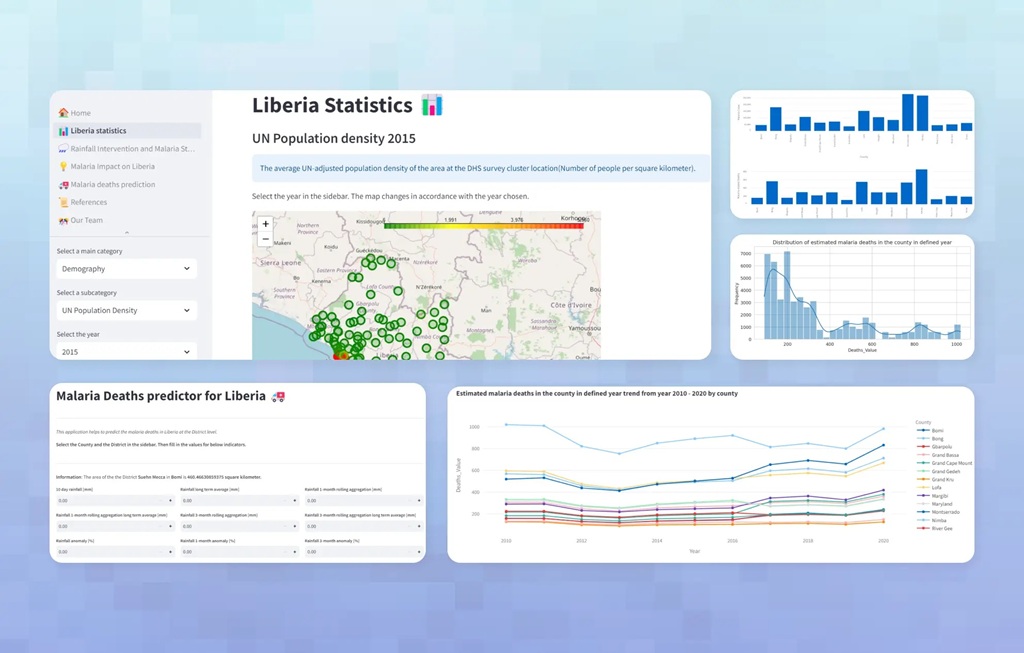 Computer Vision · Health
Smart diagnostic and surveillance tools supporting field workers in low-connectivity environments.
Read case study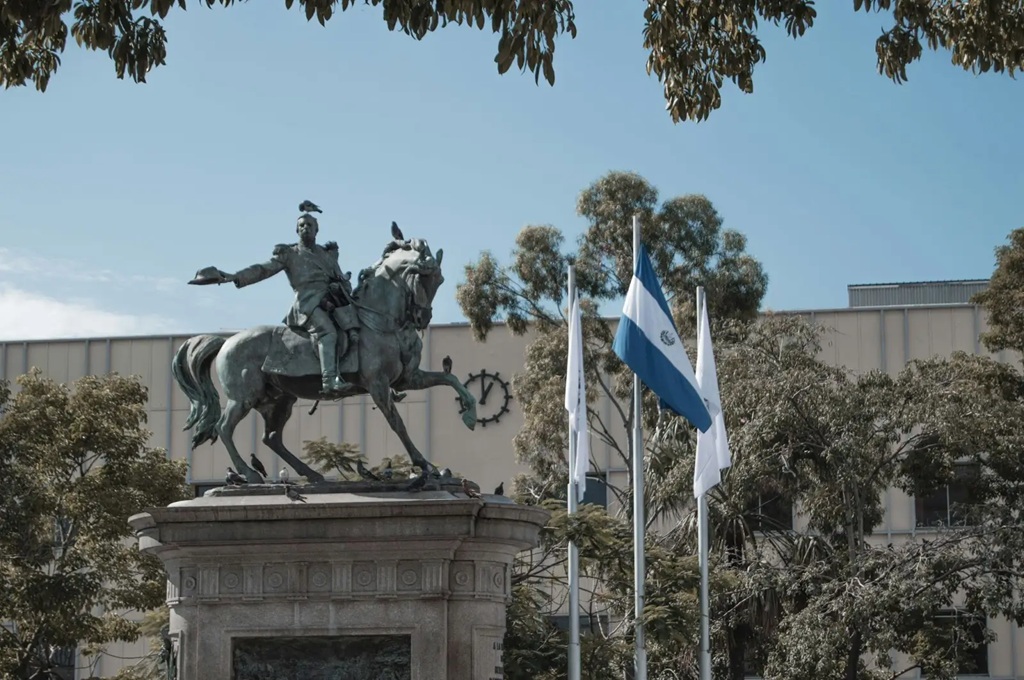 NLP · Public Sector
Multilingual NLP pipelines that detect coordinated narratives and surface verifiable signals.
Read case study Predictive ML · Mobility
Spatio-temporal models that forecast congestion and inform city operations in near real time.
Read case studyAI research & development helps organizations explore, validate, build, and deploy AI systems through collaborative experimentation, rapid prototyping, and operational implementation.
Unlike traditional consulting, Omdena combines collaborative AI development, global expert networks, iterative experimentation, and deployment-focused execution to build real AI solutions.
Yes. Organizations can continue working with or hire top-performing contributors identified during the program.
Yes. Omdena supports deployment, workflow integration, optimization, and production-ready implementation after the prototyping phase.
Omdena supports projects across generative AI, machine learning, computer vision, NLP, geospatial AI, predictive analytics, intelligent automation, and more.
Most programs run for 8-12 weeks, depending on project complexity, scope, and deployment requirements.
Yes. Omdena works with startups, enterprises, NGOs, public sector organizations, and research institutions worldwide.
Talk to a solutions architect about the question, data, and decision you need to de-risk.
Scope research