
Medi-Triage Core: AI for Symptom Detection and Triage Support
The problem
Healthcare AI faces a fundamental limitation: lack of high-quality, real-world conversational data.
Most existing systems are trained on:
- Synthetic datasets
- Structured clinical records
- Limited or highly controlled data sources
However, real patients do not describe symptoms in structured formats. They communicate in:
- Informal language
- Incomplete descriptions
- Ambiguous or subjective terms
At the same time, strict privacy regulations severely limit access to real clinical conversations.
This creates a critical gap:
- AI systems struggle to interpret real patient language
- Triage tools lack reliability in real-world scenarios
- Healthcare providers face inefficiencies in early-stage patient assessment
Despite the availability of public medical conversations (forums, archives), this data remains:
- Unstructured
- Noisy
- Not clinically labeled
- Not safe for direct use due to privacy concerns
The project goals
This project proposes building Medi-Triage Core, a medical intelligence system designed to transform public conversational data into a structured, privacy-safe foundation for AI-driven triage.
The solution focuses on creating a high-fidelity, de-identified clinical dialogue dataset and leveraging it to train specialized NLP models.
Key components include:
- Aggregating conversational data from public medical sources (Reddit, NHS, CDC archives)
- Building a de-identification pipeline to remove all personal information
- Designing a clinical annotation schema for symptoms, intent, and urgency
- Developing NLP models for symptom detection and triage classification
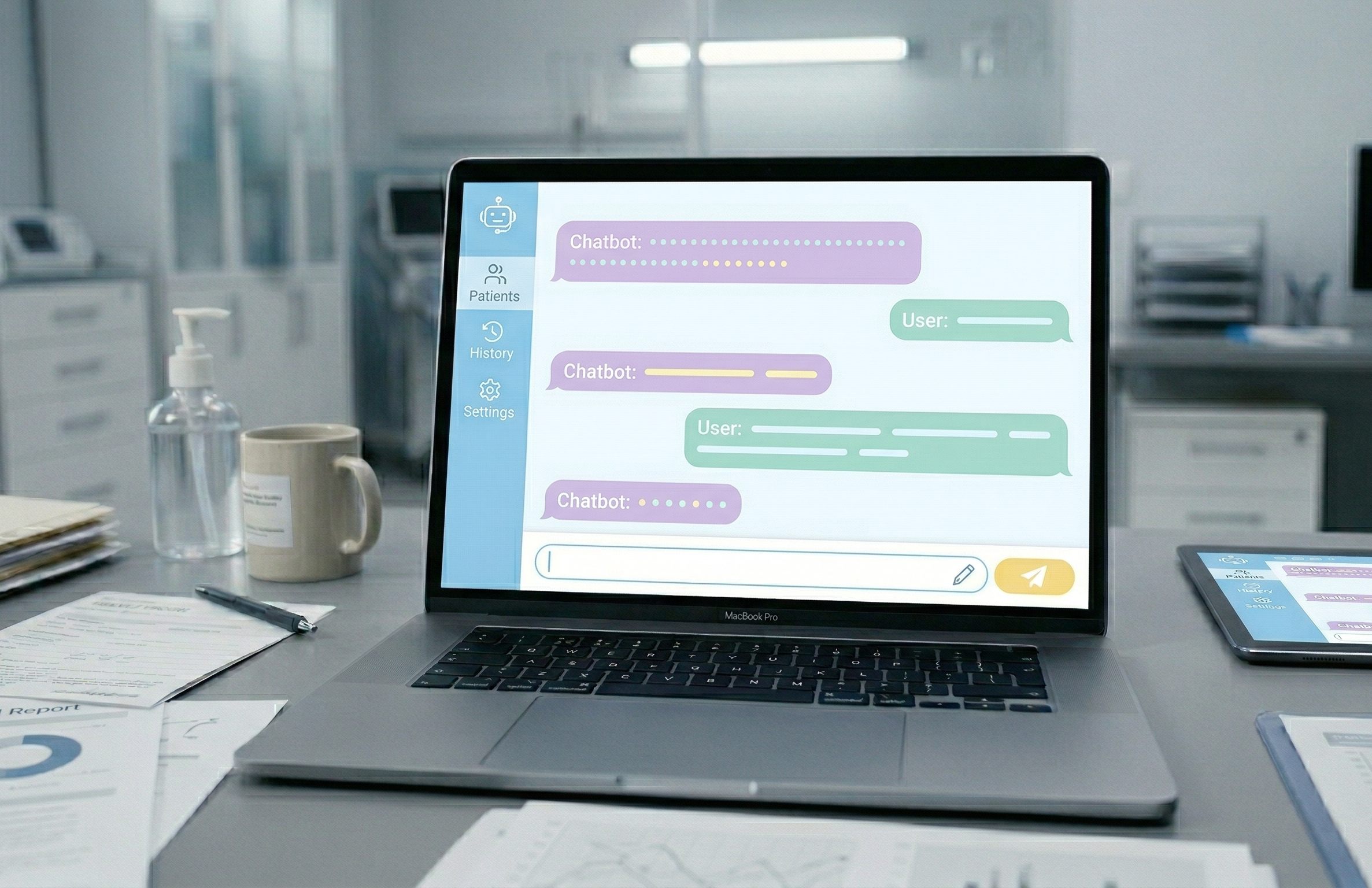
- Creating a triage chatbot prototype for real-time interaction
- Delivering a monitoring dashboard for system outputs
As part of this challenge, the system must demonstrate the ability to:
- Convert raw medical conversations into structured, labeled datasets
- Ensure strict privacy compliance through robust anonymization
- Accurately identify symptoms and medical entities
- Classify urgency levels (Low, Medium, High)
- Handle real-world, ambiguous patient language
- Simulate triage conversations through a chatbot interface
- Highlight uncertainty and limitations in medical interpretation
Impact of the Problem
If successful, Medi-Triage Core can directly improve how patients access care and how healthcare systems manage demand.
Patients & General Public
- Faster initial assessment of symptoms
- Better guidance on when to seek urgent care
- Reduced uncertainty in early-stage health concerns
- Improved access to basic triage support
Healthcare Providers
- Reduced overload in emergency and primary care services
- Better prioritization of high-risk cases
- More efficient intake and triage workflows
- Support for telehealth and remote care systems
Public Health Systems
- Scalable triage support during high-demand periods (e.g., outbreaks)
- Improved allocation of medical resources
- Early identification of emerging health trends from conversational data
Healthcare Innovation
- Creation of privacy-compliant, high-quality medical datasets
- Foundation for next-generation clinical NLP systems
- Acceleration of safe AI adoption in healthcare
Real-World Impact
- Shorter wait times for critical patients
- Reduced strain on the healthcare infrastructure
- Safer, more accessible first-line medical guidance at scale
Timeline
1
The Foundation (Weeks 1-2). Establishing the technical architecture and aggregating data from trusted public health archives and forums.
2
Privacy & Expert Labeling (Weeks 3-4). Transforming raw dialogue into a privacy-compliant dataset, verified by medical experts.
3
Sprint 3: Intelligence Training (Weeks 5-6). Developing the core NLP models to detect symptoms and understand clinical intent.
4
Sprint 4: Integration & Delivery (Weeks 7-8). Building the functional chatbot interface and final medical monitoring dashboard.
**More details will be shared with the designated team.
First Omdena Project?
Join the Omdena community to make a real-world impact and develop your career
Build a global network and get mentoring support
Earn money through paid gigs and access many more opportunities
Your Benefits
Address a significant real-world problem with your skills
Get hired at top companies by building your Omdena project portfolio (via certificates, references, etc.)
Access paid projects, speaking gigs, and writing opportunities
Requirements
Good English
A very good grasp in computer science and/or mathematics
Good understanding of AI/NLP, and/or Machine Learning
Omdena

Application Form

Become an Omdena Collaborator