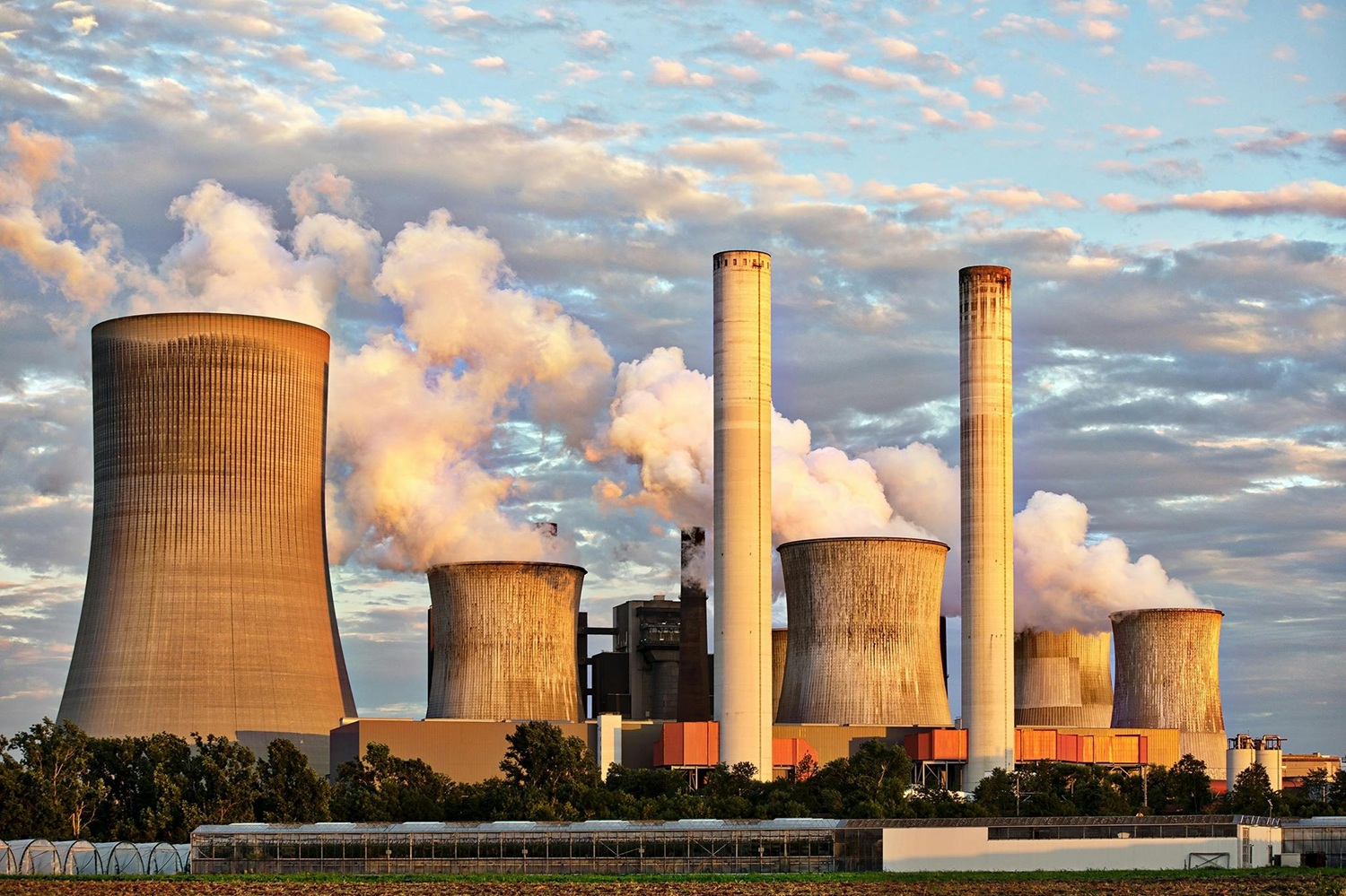
Decarbonization is the process of reducing greenhouse gas emissions across energy, operations, and supply chains to reach net-zero targets. For enterprises, it is no longer optional. It has become a regulatory, financial, and competitive priority as frameworks like IFRS S2 and CSRD reshape reporting and accountability.
However, decarbonization at scale is a data and execution challenge. Artificial intelligence is emerging as a key enabler. It helps organizations measure emissions accurately, forecast demand, optimize energy use, and automate decision-making across complex systems.
This guide explains how AI accelerates decarbonization across industries. It covers core strategies, enterprise frameworks, real-world use cases, and implementation roadmaps. You will learn how to move from ambition to measurable impact using AI-driven approaches.
TL;DR (Quick Summary):
Decarbonization: Reducing emissions across operations and supply chains is now a core enterprise priority driven by regulation and net-zero commitments.
Strategies: Key levers include renewable energy, efficiency, carbon capture, circular economy, and supply chain optimization.
AI’s Role: AI enables real-time measurement, forecasting, optimization, and automation across complex energy and operational systems.
Core AI Capabilities: Machine learning, digital twins, optimization models, NLP, and computer vision turn emissions data into actionable insights.
Use Cases: AI reduces emissions across energy, industry, buildings, transport, supply chains, and agriculture through targeted applications.
Framework: Enterprises follow a structured approach from measurement and target setting to AI deployment, monitoring, and compliance.
Innovations: Emerging companies are using AI to transform energy systems, industrial processes, carbon markets, and climate technologies.
Challenges: Data gaps, regulatory complexity, AI energy use, and scaling issues remain key barriers to adoption.
Business Value: AI-driven decarbonization reduces costs, improves efficiency, and strengthens compliance and decision-making.
Roadmap: Start with data, pilot AI solutions, scale successful use cases, and continuously optimize performance.
Case Studies: Omdena projects demonstrate how AI delivers measurable impact in carbon markets and emissions intelligence.
What Is Decarbonization?
Definition
Decarbonization is the process of reducing or eliminating greenhouse gas emissions, especially carbon dioxide, across energy use, operations, and supply chains. For enterprises, it means shifting from fossil fuel–dependent systems to low-carbon alternatives while improving efficiency and resilience.
Scope 1, 2, and 3 Emissions
There are 3 types of emissions:
Sources of Industrial Emissions
Scope 1: Direct emissions from owned operations such as factories and vehicles
Scope 2: Indirect emissions from purchased electricity or energy
Scope 3: Value chain emissions from suppliers, logistics, and product use, often the largest share
Where Emissions Come From
Most emissions come from energy-related activities such as power generation, manufacturing, transport, and buildings. In 2024, global energy-related CO₂ emissions reached 37.6 gigatons. Buildings account for nearly one-third of energy use, while sectors like cement and steel contribute significantly to industrial emissions. Other gases like methane (17.9%) and nitrous oxide also play a major role.
Global CO₂ Emissions
Why Decarbonization Matters
Decarbonization is critical to limiting global warming to 1.5°C. Over 84% of the global economy is now covered by net-zero commitments. For enterprises, it reduces risk, improves efficiency, and ensures compliance with evolving regulations.
To achieve these outcomes, organizations must adopt clear and actionable decarbonization strategies.
Decarbonization Strategies and Processes
1. Transition to Renewable Energy
Switching from fossil fuels to clean sources such as solar, wind, hydro, and low-carbon hydrogen is accelerating fast. In 2024 renewable power capacity grew by 582 GW, the strongest annual gain on record. Forecasts show an additional 4,600 GW of capacity will be added worldwide between 2025 and 2030, roughly doubling the deployment rate of the previous five years.
In the first half of 2025, renewables generated more electricity than coal globally for the first time, driven by strong growth in solar and wind. Clean energy is becoming a major pillar in the global decarbonization effort.
2. Energy Efficiency Improvements
Improving energy efficiency in buildings, industry, and transport is a powerful way to cut carbon emissions. Upgrading insulation, using efficient machines, and electrifying transport help lower energy demand without reducing output.
A recent report showed that businesses could reduce energy use by about 31% using existing technologies, saving roughly $2 trillion per year. In countries with fuel economy rules and purchase incentives, car efficiency improved about 60% faster than in places without such policies. Retrofitting and stronger building codes could cut more than 95% of emissions from buildings by 2050.
3. Carbon Capture, Usage & Storage (CCUS)
CCUS refers to technologies that capture carbon dioxide from industrial emissions or directly from the air. The captured carbon is then stored underground or used in products. Global capacity is rising quickly. As of early 2025, more than 50 million tonnes of carbon are captured each year, and the number of planned projects is growing fast.
Analysts estimate that by 2030 capture plus storage capacity could quadruple relative to today. Recent policy and investment have strengthened the industry. They are helping projects reach final investment decisions and move from pilot or feasibility stages into construction.
4. Circular Economy and Materials Reuse
Using materials over and over again instead of always extracting new raw materials can cut emissions significantly. Industries that reuse steel, aluminum, plastic, cement, or concrete may avoid 231 million tonnes of CO₂ per year in heavy industry across the EU alone by 2050.
Globally, the circular economy remains weak. Only about 6.9% of materials used each year come from recycled or reused sources, down from 7.2% in 2018. Reusing materials helps reduce waste and save resources. Designing products to be reusable from the start also preserves the energy already embedded in those materials.
5. Supply Chain Optimization and Decarbonization
Supply chain emissions are often the biggest part of a company’s footprint, sometimes accounting for more than 75% of total emissions. This makes supply chain decarbonization a top priority for organizations across most sectors. Many firms struggle to track these emissions because data from suppliers is limited or inconsistent. To reduce Scope 3 emissions, companies are working more closely with suppliers to gather data, set low-carbon procurement standards, and optimize logistics. Strong regulation is also pushing firms to disclose and manage Scope 3 emissions by 2026 under new reporting rules in many regions.
6. Behavior/Demand-Side Interventions
Consumers can play a big role in cutting emissions by changing how and when they use energy. Programs let homeowners and businesses shift usage away from peak hours or reduce usage altogether, often with financial incentives or time-based pricing.
Recent pilots show that automated systems can cut peak power demand by 60–78 percent in residential settings during hot seasons. Using smarter appliances, batteries, or thermostats, people help grid flexibility and reduce reliance on backup fossil fuel plants.
7. Policy, Regulation, Incentives, Carbon Pricing and Net Zero Commitments
Governments are using laws, rules, and financial incentives to push decarbonization forward. As of 2025, many regions have introduced carbon pricing systems such as taxes or cap-and-trade programs. These cover about 28% of global emissions and generate over $100 billion in public revenue in 2024.
Regulatory frameworks are also becoming stricter. For example, the International Maritime Organization has approved a global emissions pricing scheme for shipping that will take effect in 2027. Meanwhile, around 145 countries have committed to net zero, covering about 77% of global greenhouse-gas emissions.
While these policies set the direction, technology determines the speed. This is where artificial intelligence plays a critical role. The next section explores how AI helps accelerate decarbonization by improving data analysis, optimizing systems, and enabling smarter decisions across industries.
How AI Accelerates Decarbonization
Artificial intelligence turns fragmented and complex climate data into actionable insights. It integrates inputs from sensors, satellites, energy systems, and supply chains to enable real-time measurement, forecasting, and optimization. As energy systems become more decentralized and data-intensive, AI helps enterprises manage scale, uncertainty, and fast-changing conditions more effectively.
What Problems AI Solves
AI addresses some of the biggest bottlenecks in enterprise decarbonization:
Data fragmentation: Unifies data across operations, suppliers, and systems
Forecasting challenges: Predicts energy demand, emissions, and climate risks
Operational inefficiency: Optimizes processes, assets, and resource use
Reporting complexity: Automates carbon accounting and compliance workflows
Key Benefits
Cost reduction: Lower energy use and improved operational efficiency
Emissions reduction: Smarter optimization across energy, transport, and industry
Faster decision-making: Real-time insights for planning and execution
AI connects data, decisions, and outcomes, making decarbonization scalable and measurable. The next section explores the core AI capabilities that power these transformations.
Core AI Capabilities Powering Decarbonization
Enterprises use a combination of AI capabilities to turn emissions data into measurable action across operations and supply chains. The focus is not on algorithms alone but on how these capabilities solve real business problems.
Machine Learning: Forecasts energy demand, predicts emissions, and enables predictive maintenance to reduce downtime and waste
Optimization & Reinforcement Learning: Improves scheduling, routing, and energy system efficiency across grids, fleets, and factories
Digital Twins & Simulation: Creates virtual models of assets like buildings or power systems to test decarbonization strategies before deployment
Computer Vision: Detects leaks, monitors infrastructure, and improves material sorting in recycling and manufacturing
Time-Series Models: Forecasts grid carbon intensity and renewable output with high accuracy across regions
These capabilities work together to connect data, insights, and execution. The next section shows how they translate into real-world impact across industries.
AI Use Cases by Sector
Artificial intelligence is applied differently in each sector to drive decarbonization. The table below shows typical use cases and key metrics or benefits across sectors.
Sector
Typical AI Use Cases for Decarbonization
Energy/grid/renewables
Forecast renewable power generation, manage grid load, perform demand response, balance supply and demand, schedule energy storage.
Industry/manufacturing
Predictive maintenance for machines, optimize manufacturing processes, optimize materials use, reduce emissions embedded in products.
Buildings built environment
Optimize energy use in heating, ventilation and air conditioning (HVAC), create digital twins for energy modeling, control occupancy, lighting and other systems.
Transportation/logistics
Optimize travel routes, manage fleets, plan logistics, reduce freight emissions, shift to cleaner transport modes.
Use precision farming, forecast crop yield, optimize water and fertilizer use, monitor emissions from fields and livestock.
These use cases show the practical ways AI can reduce emissions and improve efficiency in different industries. The next section highlights step by step framework for enterprises to implement decarbonization.
How Enterprises Implement Decarbonization (Step-by-Step Framework)
Enterprises follow a structured approach to move from climate commitments to measurable results. Modern frameworks align with global standards like IFRS S2 and CSRD, which require full visibility across Scope 1, 2, and 3 emissions and clear transition plans.
Measure Emissions: Build a baseline across operations and value chains using integrated data from ERP systems, energy meters, and suppliers.
Set Targets: Define science-aligned goals based on Scope 1, 2, and 3 emissions, linking them to financial and operational outcomes.
Identify Reduction Levers: Prioritize actions such as renewable adoption, efficiency improvements, and supply chain optimization.
Deploy AI Solutions: Use AI to automate data collection, improve forecasting, and simulate decarbonization scenarios across systems.
Monitor and Optimize: Track performance in real time and continuously improve using predictive insights and digital twins.
Report and Comply: Ensure transparent, audit-ready reporting aligned with evolving global regulations.
With this framework in place, organizations can translate strategy into execution. The next section highlights emerging companies using AI to drive real-world decarbonization impact.
Emerging Decarbonization Companies Making an Impact with AI
1. WeaveGrid
Image Source – WeaveGrid
WeaveGrid builds AI-powered software that connects electric vehicles with the power grid to make charging smart, reliable, and affordable. Its platform uses machine learning to help utilities detect EVs, analyze charging patterns, and predict demand more accurately. It also enables them to enroll drivers in incentive programs, manage and automate charging based on real-time grid conditions, and coordinate distribution through its DISCO solution.
WeaveGrid also partners with automakers and charging companies to enable grid-interactive vehicles. This creates a seamless driver experience that aligns utility signals, vehicle telematics, and cost savings. By using AI to shift charging to off-peak hours, sync with renewables, and reduce grid strain, it helps cut emissions and accelerate electrification.
2. Amperon
Image Source – Amperon
Amperon builds AI-powered energy forecasting for utilities, traders, retailers, and asset owners. Its platform blends meter data with an ensemble of about 40,000 global weather points. It delivers short-, mid-, and long-term forecasts that it positions as up to three times more accurate than ISO baselines.
Core offerings include demand and net-demand forecasts, real-time and day-ahead price forecasts, load risk management, demand response and peak alerts, and asset optimization for wind, solar, and batteries. By predicting grid load, renewable output, and price spikes with high precision, Amperon helps shift consumption, reduce curtailment, and operate cleaner portfolios at lower cost.
3. Voltus
Image Source – Voltus
Voltus operates one of the world’s leading AI-driven virtual power plant (VPP) platforms. It connects distributed energy resources and energy users to wholesale electricity markets. Its platform uses artificial intelligence to forecast grid stress, price spikes, and emissions intensity, then automatically dispatches flexible loads to reduce or shift energy use.
Voltus offers demand response, peak demand charge avoidance, and real-time energy insights across North America. By helping thousands of businesses earn revenue while cutting consumption during high-emission periods, Voltus enhances grid reliability. It also reduces fossil fuel dependency and drives measurable decarbonization at scale.
4. Form Energy
Image Source – Form Energy
Form Energy is a US-based energy technology company. It develops low-cost, multi-day energy storage systems to create a cleaner and more reliable electric grid. Its core innovation is the iron-air battery, which can store electricity for up to 100 hours using abundant materials like iron, water, and air.
The company also built Formware, an AI-powered grid modeling software that optimizes energy planning and operations across variable weather and demand conditions. By enabling renewable integration and replacing fossil backup generation, Form Energy’s technology accelerates global decarbonization and grid resilience.
5. Antora Energy
Image Source – Antora Energy
Antora Energy is an American clean energy company building thermal batteries. These batteries store renewable electricity as heat in solid carbon blocks to power industrial operations 24/7. Its systems charge using low-cost clean energy and discharge as high-temperature heat or electricity through thermophotovoltaic (TPV) technology.
Antora’s AI-powered control software optimizes dispatch, grid interaction, and site operations for maximum efficiency and uptime. By turning intermittent renewable power into reliable industrial heat, Antora decarbonizes hard-to-abate sectors like steel, cement, and chemicals.
6. Captura
Image Source – Captura
Captura is a California-based climate technology company pioneering Direct Ocean Capture (DOC). It is a scalable process that removes carbon dioxide directly from seawater using renewable electricity and proprietary electrodialysis technology. Its system enhances the ocean’s natural ability to absorb CO₂ from the air without adding chemicals or by-products.
Captura also develops advanced monitoring, reporting, and verification (MRV) tools powered by AI to track CO₂ removal with precision. By amplifying ocean carbon cycles, Captura provides a safe, cost-effective, and measurable path to large-scale decarbonization.
7. Sylvera
Image Source – Sylvera
Sylvera is a London-based climate technology company providing AI-driven ratings, data, and analytics for carbon credits and carbon dioxide removal (CDR) projects. Its platform uses advanced machine learning, satellite imagery, and proprietary biomass datasets to assess project quality across 21,000+ carbon initiatives worldwide.
Sylvera’s AI models evaluate key factors like additionality, permanence, and co-benefits, helping companies, investors, and governments identify credible carbon projects. By bringing transparency and trust to carbon markets, Sylvera accelerates high-integrity investments that drive measurable and verifiable decarbonization.
8. Carbon Re
Image Source – Carbon Re
Carbon Re is an AI company that cuts industrial emissions in cement, steel, and glass. Its Delta Zero platform studies how cement is produced and suggests better operating targets. It connects directly with plant control systems to automatically adjust settings, helping save fuel, keep product quality consistent, and use more alternative fuels safely.
Offerings include energy efficiency optimization, AI process control, software sensors, and continuous performance monitoring with fast cloud deployment and no new hardware. By lowering specific heat consumption and reducing C3S variability, Carbon Re improves production efficiency. It also helps avoid unplanned shutdowns, which leads to lower fuel bills and measurable CO₂ reductions at the plant level.
9. Emitwise
Image Source – Emitwise
Emitwise is a UK-based climate tech company. It helps global businesses decarbonize complex supply chains through AI-driven carbon accounting and supplier engagement. Its platform, Procurewise, uses machine learning to analyze large supplier data sets. It calculates Scope 3 emissions with high accuracy and helps find the best ways to reduce them.
Emitwise uses automated data collection and expert analysis to measure carbon emissions accurately. It then creates verified product-level carbon footprints and clear reduction plans that align with SBTi standards. It also helps companies include carbon data in their purchasing decisions. This allows organizations and suppliers to lower emissions while staying profitable and move faster toward their net-zero goals.
10. Carbon Clean
Image Source – Carbon Clean
Carbon Clean is a global leader in industrial carbon capture technology. The company helps heavy industries such as cement, steel, refining, and waste-to-energy cut their carbon emissions on a large scale. Its main solution, CycloneCC, is a compact, modular, and prefabricated system that captures carbon efficiently while saving space and cost.
Carbon Clean uses AI-driven process modeling and real-time data analytics to optimize plant performance and lower operating costs. With over 2.8 metric tonnes of CO₂ captured worldwide, it is accelerating industrial decarbonization for a net-zero future.
11. Aegis Energy
Image Source – Aegis Energy
Aegis Energy is building the UK’s first nationwide network of clean multi-energy hubs for commercial fleets. These hubs provide electric charging, hydrogen, HVO, and bio-CNG to help trucks and vans cut emissions. Each site is designed for fast turnaround, using smart scheduling and AI-based analytics to optimize charging times and manage energy demand.
Drivers also benefit from comfortable facilities while their vehicles refuel. Aegis plans 50 hubs across the UK to accelerate fleet decarbonization and support the transition to zero-emission transport.
12. Granular Energy
Image Source – Granular Energy
Granular Energy is a clean energy software company. It helps utilities, traders, and large energy buyers manage and trade renewable power with full transparency. Its platform automates Energy Attribute Certificate (EAC) management and enables 24/7 clean energy tracking through time-stamped data.
Using AI-driven analytics, it optimizes certificate portfolios, forecasts supply and demand, and verifies clean energy sourcing hour by hour. This helps energy providers design transparent green offers, reduce carbon footprints, and support the shift to a fully renewable electricity system worldwide.
13. Pexapark
Image Source – Pexapark
Pexapark is a clean energy intelligence company. It helps renewable investors, utilities, and developers manage risk and maximize returns in power markets. Its Price Intelligence Platform provides real-time data on PPA and BESS prices, market trends, and deal insights across global regions.
The platform uses AI to analyze thousands of transactions, forecast revenue, and identify fair market ranges for clean energy deals. Pexapark also offers expert advisory services that guide energy companies in building, valuing, and optimizing renewable portfolios. These services help accelerate the global shift toward a zero-carbon energy system.
14. Climeworks
Image Source – Climeworks
Climeworks is a global leader in carbon removal technology. It captures CO₂ directly from the air. Its advanced Direct Air Capture (DAC) systems use solid sorbents and renewable heat to extract CO₂, which is then permanently stored underground.
The company offers custom carbon removal plans that mix technology-based and natural solutions to help businesses reach net zero. Using AI-driven monitoring and verification, Climeworks optimizes plant performance and tracks carbon storage accuracy. It helps organizations decarbonize with measurable, high-quality, and science-backed carbon removals.
15. CorPower Ocean
Image Source – CorPower Ocean
CorPower Ocean is developing advanced wave energy technology to power the planet with clean electricity from the oceans. Its Wave Energy Converters, inspired by the pumping motion of the human heart, turn ocean waves into reliable renewable power.
The company offers modular CorPack clusters that combine multiple devices to create large-scale wave farms. Using AI-based control systems, CorPower tunes each buoy in real time to capture maximum energy while staying safe in storms. This innovation helps stabilize renewable grids and accelerate global decarbonization.
16. Cloover
Image Source – Cloover
Cloover is building a digital platform that makes renewable energy accessible for everyone. It uses one-click subscriptions and embedded financing. The company partners with solar, EV charging, battery, and heat pump providers to help homeowners switch to clean energy affordably.
Its plug-and-play financing tools use AI to analyze customer profiles, automate credit checks, and personalize payment plans in real time. By simplifying how people finance and adopt green technologies, Cloover helps accelerate decarbonization. It also reduces upfront costs and brings more households into the sustainable energy transition.
17. Reverion
Image Source – Reverion
Reverion develops high-efficiency reversible fuel cell systems that generate, store, and convert clean energy. Its modular power plants can switch between gas-to-power and power-to-gas in under a minute, reaching up to 80% efficiency.
The technology uses solid oxide fuel cells to produce electricity from biogas or hydrogen and captures pure CO₂ for reuse or storage. With AI-driven control and monitoring, Reverion optimizes system performance, reduces energy losses, and supports flexible grid balancing. This innovation helps industries decarbonize while enabling climate-positive, carbon-negative energy production.
18. VFlowTech
Image Source – VFlowTech
VFlowTech builds vanadium redox flow batteries for long duration energy storage. Its PowerCube systems and external flow battery platforms deliver safe, scalable storage for grids, industry, communities, and EV charging. The batteries provide 100% depth of discharge, 25-year life, operation up to 50°C, and round trip efficiency up to 80%.
VFlowTech also offers an in-house energy management system with IoT monitoring, smart algorithms, and advanced analytics for load and charge control. By stabilizing solar and wind, shifting loads, and replacing diesel backup, VFlowTech helps cut emissions and speed clean electrification worldwide today.
19. BrainBox AI
Image Source – BrainBox AI
BrainBox AI uses artificial intelligence to make buildings smarter, greener, and more efficient. The company’s core solution, AI HVAC Optimization, cuts energy use and carbon emissions by predicting and adjusting heating and cooling in real time. Its virtual engineer, ARIA, supports facility teams with fault detection, predictive maintenance, and automated reporting.
BrainBox AI also offers a cloud-based building management system that enables remote control across portfolios. By using generative and predictive AI, BrainBox AI helps lower energy costs, improve comfort, and accelerate global decarbonization.
20. Svante
Image Source – Svante
Svante builds solid-sorbent filters and modular rotary contactor machines that capture CO₂ from industrial flue gas and the air. Its core offering uses MOF sorbents like CALF-20 to deliver efficient, scalable capture. For low-CO₂ streams, Svante also designs BASF OASE blue liquid-amine systems.
The company provides end-to-end support through Svante Solutions and Digital Services, plus project development and financing via Svante Development. AI-driven analytics monitor plants, model performance, and improve uptime. Captured CO₂ reaches pipeline-grade purity for transport, use, or storage. That helps heavy industry cut emissions fast and at scale.
21. CarbonCure
Image Source – CarbonCure
CarbonCure helps concrete producers cut emissions by injecting captured CO₂ into fresh concrete during mixing. The CO₂ reacts with calcium to form a solid mineral that stays locked inside the material forever. This boosts the strength of the concrete and enables reduced use of carbon-intensive cement. Its retrofit system installs easily at plants. It is managed through AI-powered telemetry for real-time monitoring, optimization, and uptime.
CarbonCure’s digital platform also verifies and tracks emissions reductions, generating high-integrity carbon credits. Through this data-driven approach, CarbonCure turns concrete production into a scalable carbon utilization solution for reduced embodied carbon.
22. Deep Sky
Image Source – Deep Sky
Deep Sky builds and operates large-scale carbon removal projects that capture CO₂ directly from the air and store it permanently underground. Its first facility, Deep Sky Alpha in Alberta, deploys multiple Direct Air Capture technologies side by side to accelerate innovation and reduce risk.
The company uses AI-driven software to monitor performance, benchmark results, and optimize operations year-round. Backed by renewable energy and strong Canadian geology, Deep Sky delivers high-quality, verifiable carbon removal credits. These credits help companies meet their climate goals and move toward a net-zero future.
23. Relectrify
Image Source – Relectrify
Relectrify develops advanced battery energy storage systems. These systems deliver more usable energy, higher safety, and longer lifespan. Its flagship product, the AC1, uses cell-level control to monitor and optimize nearly 4,000 individual cells. This unlocks up to 20% more energy over its lifetime.
The system generates AC power directly from the cells without an inverter, reducing cost and complexity. Powered by its adaptive AI-based battery management software, Relectrify maximizes efficiency and performance. It helps industries and utilities store renewable power more reliably and accelerate global decarbonization.
24. Neara
Image Source – Neara
Neara develops AI-powered predictive modeling software. It helps utilities and energy companies manage, optimize, and decarbonize their networks. Its platform creates digital twins of entire power grids to simulate how assets perform under real-world conditions such as storms, floods, or heat waves.
By running thousands of automated analyses, Neara identifies weak points, improves grid reliability, and enables faster renewable integration without new infrastructure. Its data-driven insights allow utilities to reduce emissions, extend asset life, and accelerate the shift toward low-carbon energy systems.
25. CarbonScape
Image Source – CarbonScape
CarbonScape produces biographite. It is a sustainable alternative to fossil-based graphite used in lithium-ion batteries. Its patented thermo-catalytic process converts renewable forestry byproducts into high-purity graphite at lower temperatures and energy costs. The result is a carbon-negative material that performs as well as synthetic graphite but with a fraction of the emissions.
Using AI-driven process control, CarbonScape optimizes conversion efficiency and material consistency. By enabling local and low-cost biographite production, the company strengthens supply chains and supports clean energy storage. It also helps accelerate global decarbonization across electric mobility and renewable industries.
These companies prove that innovation and AI can accelerate decarbonization. But the journey ahead is not simple. Scaling new technologies, maintaining data accuracy, and keeping costs low are major challenges. Policy alignment and regulatory hurdles add more complexity. The next section looks at the key risks and limitations that must be solved to make AI-driven decarbonization truly effective and sustainable.
Challenges, Risks and Limitations
AI can speed up decarbonization, but it also faces several challenges. Many organizations still lack complete and reliable emissions data. Especially for Scope 3 which makes accurate reporting difficult. New disclosure rules such as IFRS S2 and Europe’s CSRD are raising expectations for better climate data and transparency. At the same time, new AI laws like the EU AI Act are adding stricter compliance requirements that can slow progress.
AI itself consumes large amounts of power. The International Energy Agency (IEA) expects data center electricity use to nearly double by 2030, largely driven by AI growth. This creates tension between digital expansion and net-zero goals.
Other risks include biased or unclear models, high costs, limited technical skills, and cybersecurity concerns. Many solutions also struggle to scale across regions because energy systems, data access, and regulations vary. Addressing these challenges requires stronger data, governance, and collaboration.
Still, the potential rewards far outweigh the risks. When used responsibly, AI can unlock powerful benefits. These include cutting emissions, improving efficiency, and driving innovation across entire industries. The next section explores these benefits and the broader value AI creates for decarbonization efforts.
Benefits and Value Proposition
When applied effectively, AI creates both environmental and business value. It helps organizations cut emissions and energy use through better forecasting, control, and maintenance. Studies show that AI can reduce building energy use by up to 37% and lower overall emissions by up to 19% by 2050.
AI also reduces costs by preventing equipment failures, improving operations, and automating climate reporting to meet global standards such as IFRS S2 and the CSRD. The return on investment grows through faster payback, lower energy bills, and improved access to green financing.
For industry, government, and investors alike, AI enables cleaner operations, stronger compliance, and smarter decisions. The next section outlines practical steps through the Recommendations and Roadmap.
Recommendations and Roadmap
Organizations can follow a simple roadmap to adopt AI for decarbonization. First, measure current emissions and improve data quality. Next, test AI solutions in small pilot projects using reliable datasets. Once results are proven, scale successful projects across operations and suppliers. Finally, keep improving through regular performance reviews and updates.
Strong data systems are key. Connect data from meters, sensors, and suppliers, and use digital twins of buildings or grids to test new ideas safely. Combine predictive AI models with optimization tools to turn insights into real actions, then track results in real time.
Good governance ensures trust. Align with climate reporting rules like IFRS S2 and the CSRD, and follow AI standards such as NIST AI RMF or ISO 42001 to manage risks. Monitor key metrics such as carbon intensity, energy use, costs, and Scope 3 progress.
Now, let’s explore some of the real world decarbonization case studies from Omdena.
Omdena’s Decarbonization Case Studies
Omdena has partnered with global startups and organizations to build real-world AI solutions that accelerate decarbonization. These projects combine data science, local expertise, and collaboration to turn complex sustainability challenges into measurable impact.
Streamlining Carbon Registry Project Development
Omdena worked with a climate-tech startup to automate carbon credit project development. The team built an AI-powered Digital MRV (Measurement, Reporting, and Verification) system. It scraped and summarized carbon registry data from platforms like Verra.org across VCS, SD Vista, and CCB standards.
Using large language models and prompt engineering, the system simplified project documentation and verification. This approach made carbon markets more transparent and accessible. It also reduced time and cost for project developers while speeding up decarbonization.
Climate and Credit Risk Scoring for African SMEs
Omdena developed an AI model linking CO₂ emissions to credit risk for small and medium enterprises across Africa. Using Sentinel-5P satellite data, the team estimated emissions and created predictive models for 1,175+ locations. The results showed clear links between climate vulnerability and emissions intensity, enabling data-driven, carbon-aware lending decisions.
These projects show Omdena’s strong ability to build and deploy custom AI solutions for real-world climate challenges. Its work spans carbon accounting, emissions forecasting, digital twins, data pipelines, and supply chain decarbonization. Backed by a global network of 30,000+ AI engineers and experts, Omdena helps organizations turn sustainability goals into measurable, scalable impact.
Whether you are a corporate sustainability leader, government agency, or climate-tech startup, Omdena can help you pilot, validate, and scale AI systems that reduce emissions and unlock long-term value.
👉 Book an exploration call with Omdena to discuss how AI can accelerate your decarbonization roadmap and create tangible impact for your organization and the planet.
Conclusion
AI can help cut emissions across energy, industry, buildings, transport, and supply chains. I highlighted how better data, forecasting, optimization, and digital twins turn climate goals into actions. The urgency is clear as global emissions stay high, yet the opportunity grows with policy support and rapid clean tech adoption.
Used responsibly, AI speeds measurement, lowers costs, guides investment, and supports credible net zero plans. Omdena stands ready to co-create custom solutions with partners in any region or sector. If you want results, I invite you to book an exploration call so we can shape a pilot and scale what works.
Glossary
Carbon Accounting: The process of measuring and tracking greenhouse gas emissions.
Carbon Capture, Usage, and Storage (CCUS): Technologies that capture carbon dioxide from industrial sources or the air, store it underground, or reuse it in products.
Circular Economy: An economic model that focuses on reusing, recycling, and regenerating materials to reduce waste and emissions.
CSRD (Corporate Sustainability Reporting Directive): A European Union regulation requiring companies to disclose detailed sustainability and emissions data.
Decarbonization: Reducing or eliminating carbon dioxide and other greenhouse gas emissions from energy, industry, and transportation.
Digital Twin: A virtual model of a real-world system, such as a building or grid. It is used to simulate performance and test improvements.
IFRS S2: A global climate disclosure standard from the International Sustainability Standards Board focused on climate-related risks and metrics.
MRV (Measurement, Reporting, and Verification): Framework for tracking, reporting, and validating emissions and climate performance data.
Net Zero: A state where human-caused greenhouse gas emissions are balanced by removals from the atmosphere.
Time-Series Foundation Model (TSFM): A type of AI model that analyzes time-based data to forecast variables like grid emissions or energy demand.
Virtual Power Plant (VPP): A digital platform that aggregates and manages distributed energy resources such as solar panels, batteries, and EVs to support grid stability.
ESG (Environmental, Social, and Governance): A framework for evaluating a company’s sustainability performance and ethical impact.
Reinforcement Learning: An AI technique where models learn by trial and error to make better decisions over time.
SBTi (Science Based Targets initiative): An organization that helps companies set emission reduction targets aligned with climate science.
Disclaimer
All product names, logos, and visuals are property of their respective owners. Screenshots and images are used under fair use for informational purposes only. Omdena is not affiliated with the mentioned companies.
FAQ
What is decarbonization?
Decarbonization refers to the process of reducing carbon dioxide and other greenhouse gas emissions across energy, industry, manufacturing, transport, buildings, and supply chains. It focuses on switching to clean energy, improving efficiency, and using new technologies to cut emissions and support global net zero goals.
How does AI help accelerate decarbonization?
AI improves measurement, forecasting, and optimization. It analyzes complex energy and emissions data, detects inefficiencies, predicts demand, supports carbon accounting, and automates decisions that reduce emissions across multiple sectors.
Which sectors benefit the most from AI-driven decarbonization?
Key beneficiaries include energy grids, industry, buildings, transportation, agriculture, and supply chains. AI helps each of these sectors reduce emissions, cut costs, and improve operational performance.
Can AI really help achieve global net-zero goals?
Yes. When used responsibly, AI can speed up renewable energy adoption and optimize industrial systems. It also improves carbon measurement and reporting which support global net-zero targets.
How can organizations get started with AI for decarbonization?
Organizations can begin by improving emissions data quality, piloting AI tools in key areas, building digital twins, and using predictive analytics for energy and operations. They can also partner with specialists like Omdena to build custom AI solutions aligned with their climate goals.
Continue with Omdena
Share this article
Share on LinkedIn, send by email, or copy the direct link.