How AI Helps Detect Crop Diseases Early (Complete Guide for Farmers)
11 min readUpdated July 2, 2026
Omdena
AI detects crop diseases early using computer vision and machine learning models that analyze images of plant leaves, stems, and crops. By identifying patterns like spots, discoloration, and wilting, these systems can diagnose diseases and recommend treatments, helping farmers reduce crop losses and improve yields.
Every season, farmers lose a large part of their harvest, not because of drought or bad seeds, but because crop diseases are detected too late. What starts as a small, barely visible issue often spreads quietly across the field before anyone notices. According to the Food and Agriculture Organization (FAO), up to 40% of global food crops are lost each year to plant pests and diseases, resulting in over 220 billion dollars in trade losses annually.
Traditional crop inspection relies on walking fields and reading visual signs, which often means problems are identified too late to prevent widespread damage. AI changes that. With a basic smartphone and a free app, any farmer can photograph a crop and get a disease diagnosis in seconds. This guide explains how AI based detection works, the tools used in real farms, and practical ways to get started.
How AI Detects Crop Diseases
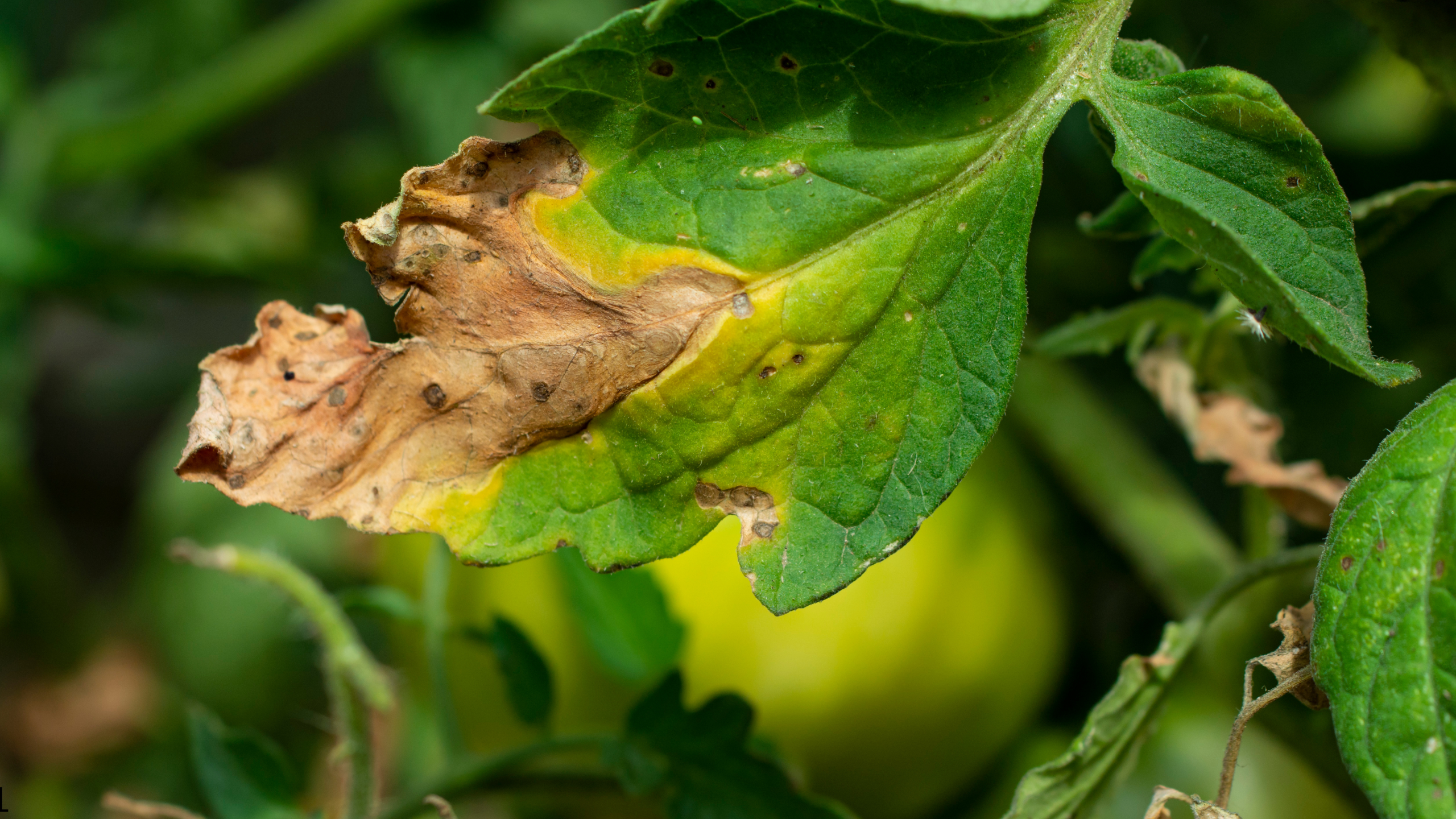
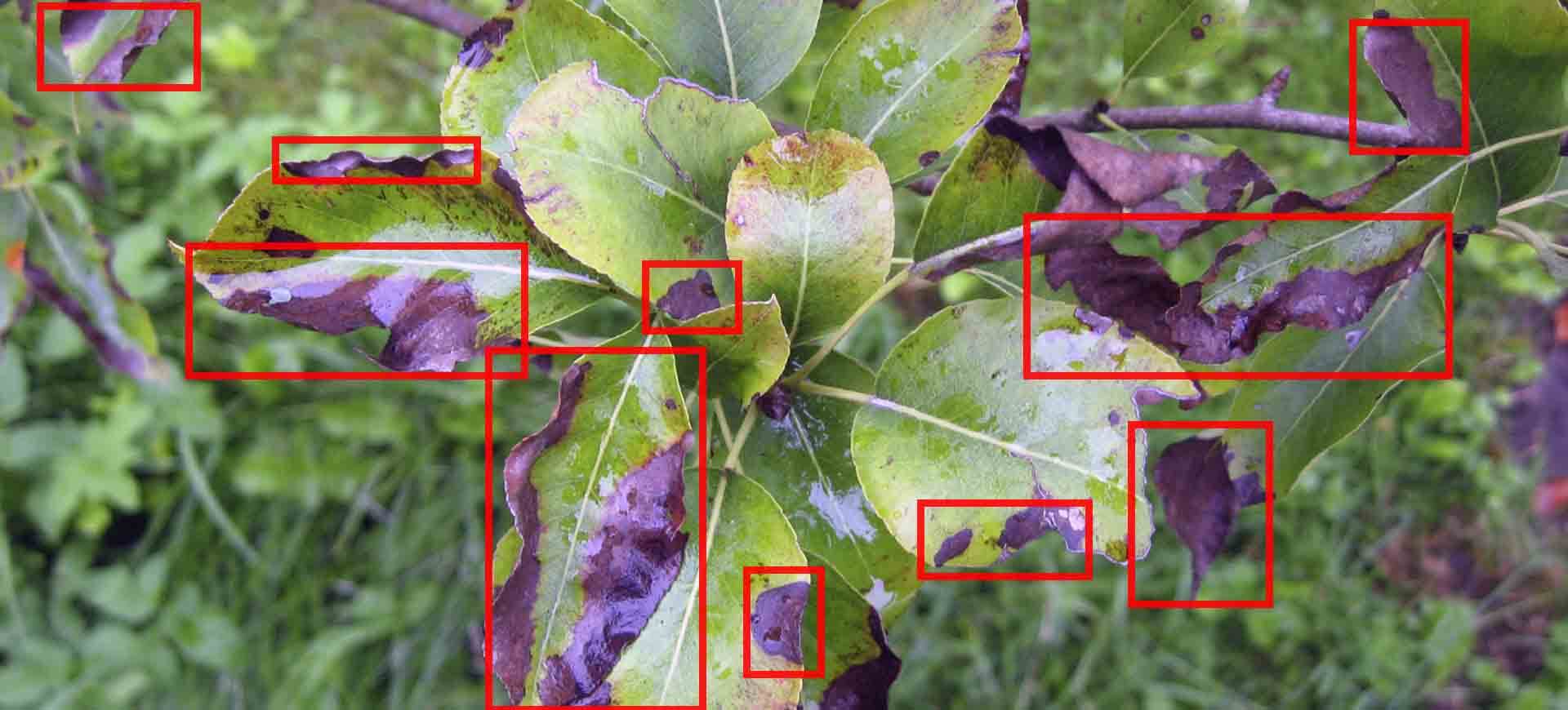
AI detecting crop disease symptoms such as leaf spots and discoloration using computer vision models (Source: Updated Plant Disease Dataset by Samar Warsi, MIT License)
To understand how AI detects crop diseases, it helps to look at what happens when it analyzes a crop image.
AI systems for crop disease detection are trained on millions of images of healthy and diseased plants. Over time, the system learns to spot patterns like unusual spots, discoloration, wilting, or lesions that the human eye might miss or catch too late.
When you take a photo and upload it, the AI compares what it sees against everything it has learned. It then gives you a result: what the disease likely is, how serious it is, and what treatment is recommended.
How accurate is it?
Research published on PubMed shows that AI models can detect crop diseases with accuracy rates of 90% or higher in controlled tests. (Source: PMC / NCBI) The PlantVillage Nuru app, developed by Penn State University, is twice as accurate as human crop advisors in field tests in Africa. (Source: CGIAR)
The key advantage is speed. AI can flag a problem weeks before visible symptoms become severe, giving farmers time to act before losses mount.
Types of AI Tools for Crop Disease Detection
There are three main types of AI tools used for crop disease detection today. Each one suits a different farm size and budget.
a) Mobile Apps
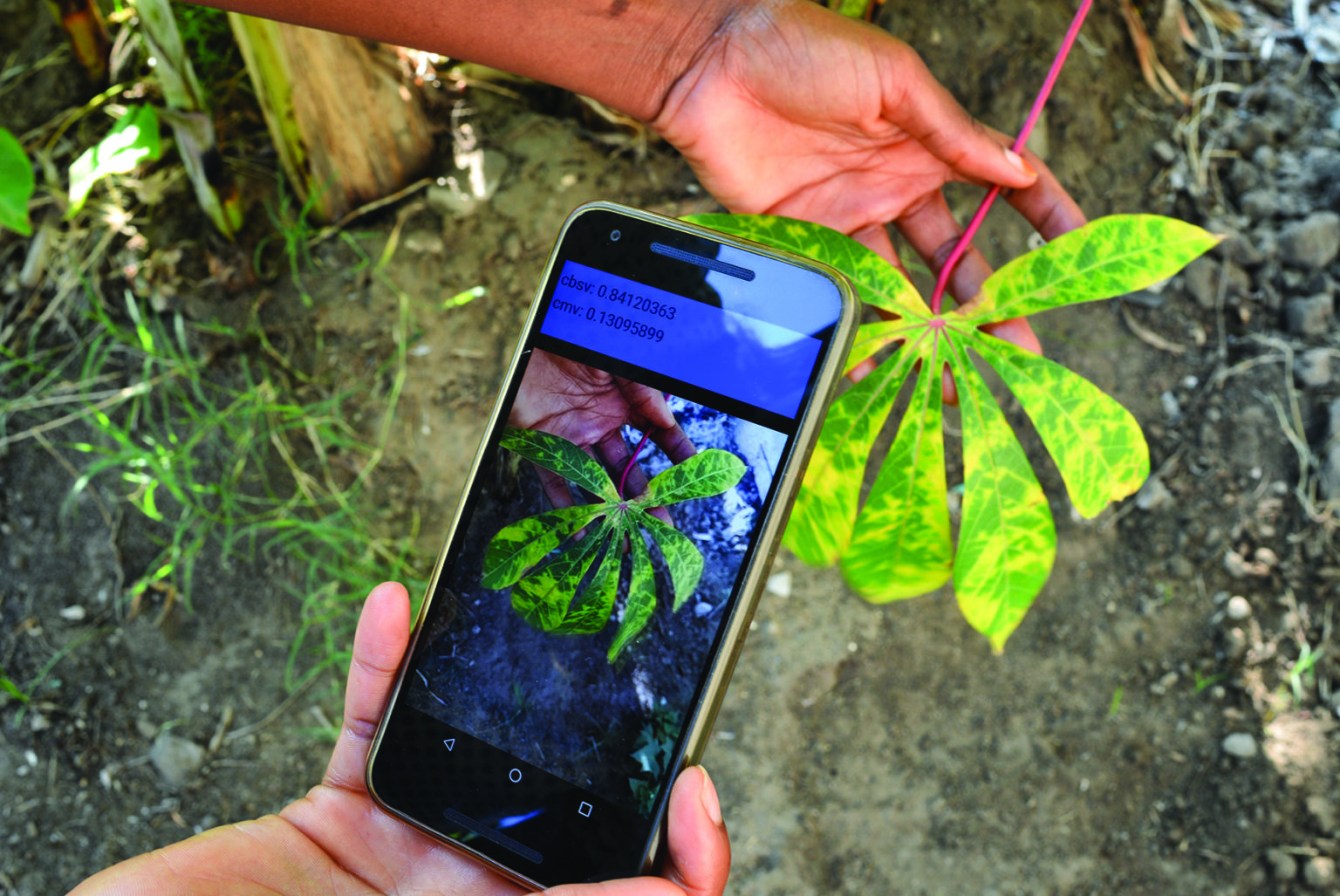
AI-powered crop disease detection using smartphone imaging to identify leaf infections in real time. Image source: International Potato Center (CIP), CC BY 4.0.
These are the most common and the most accessible. You take a photo using your phone, upload it to the app, and get a result in seconds. Most of these apps are free or low-cost.
Popular option: Plantix (Android and iOS). Covers 800 disease symptoms across 60 crop types, has been downloaded 135 million times, and serves nearly 10 million farmers annually. Diagnostic accuracy is over 90%. (Source: GSMA)
Best for: Small to medium farms, farmers just getting started with AI tools.
Cost: Free to low-cost (most basic features are free).
b) Drone and Satellite Imagery
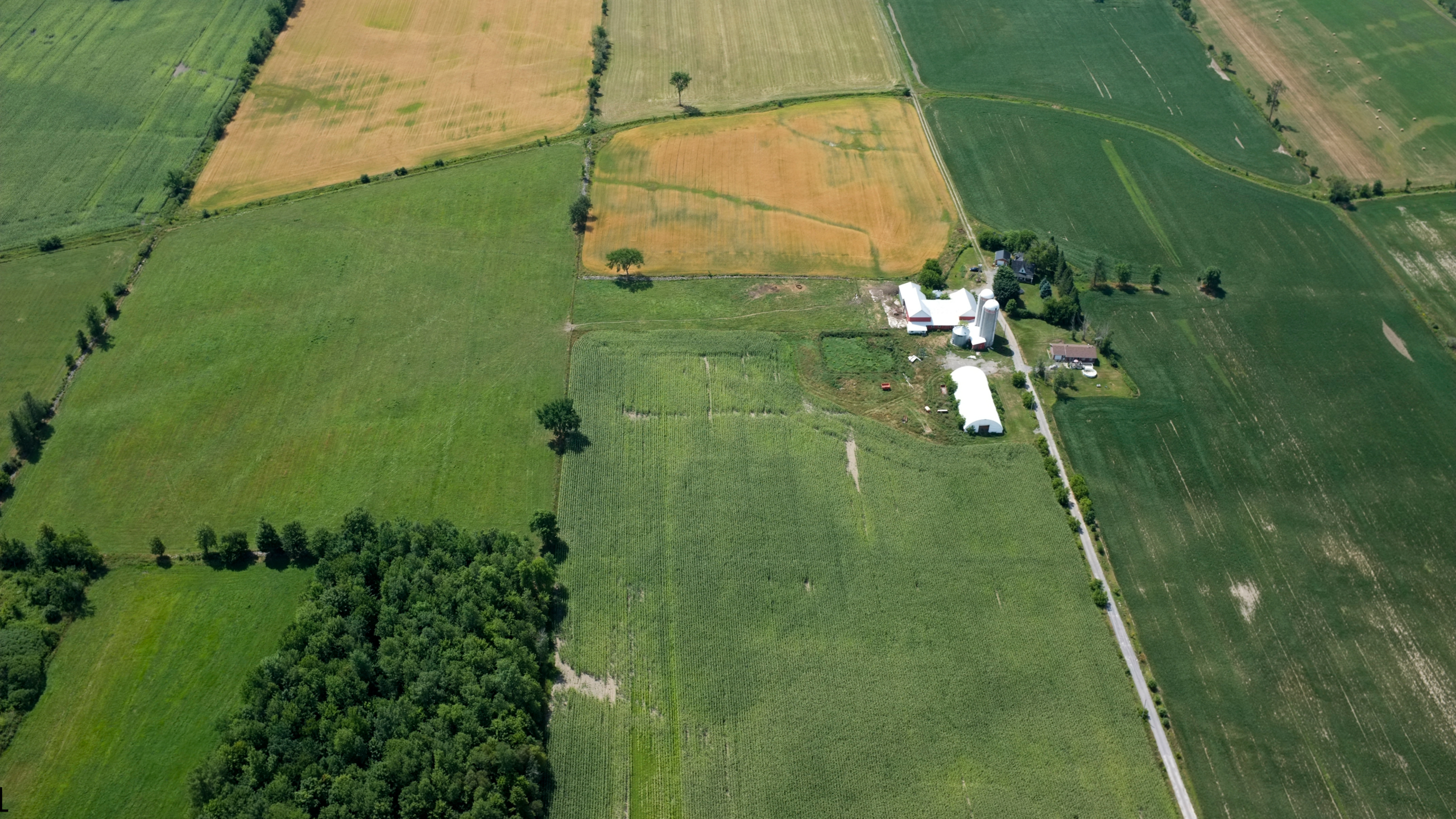
An aerial view of farmland showing visible variation across fields. AI analyzes imagery like this to detect stressed or diseased areas before the damage spreads. Image Source: Canva.
For larger farms and commercial operations, walking the field or taking individual photos is simply not practical. This is where drones and satellite imagery come in.
A drone fitted with a camera can fly over the entire farm in one pass and capture hundreds of images. These images are processed by a computer vision system, an AI that is trained to read images and automatically spot visual signs of disease, creating a map of the farm that shows exactly where problems are and how serious they are. Research published in Scientific Reports (2025) confirmed that AI combined with drone imagery can detect crop disease across large agricultural areas significantly earlier than ground-level inspection. (Source: Nature / Scientific Reports)
Satellite imagery works on the same principle but at an even larger scale. Satellites capture images of farmland from above, and AI analyses those images to detect stress patterns across entire regions, making it useful for monitoring very large farms or checking on remote land that is difficult to visit regularly. Research from MDPI shows that AI models applied to drone and satellite imagery can achieve accuracy between 74% and 97%, depending on the crop and disease type. (Source: MDPI Remote Sensing)
Best for: Large farms, commercial growers, and agricultural cooperatives managing operations across wide areas.
Cost: Higher than mobile apps, but the early detection at scale makes it cost-effective for operations managing large acreage.
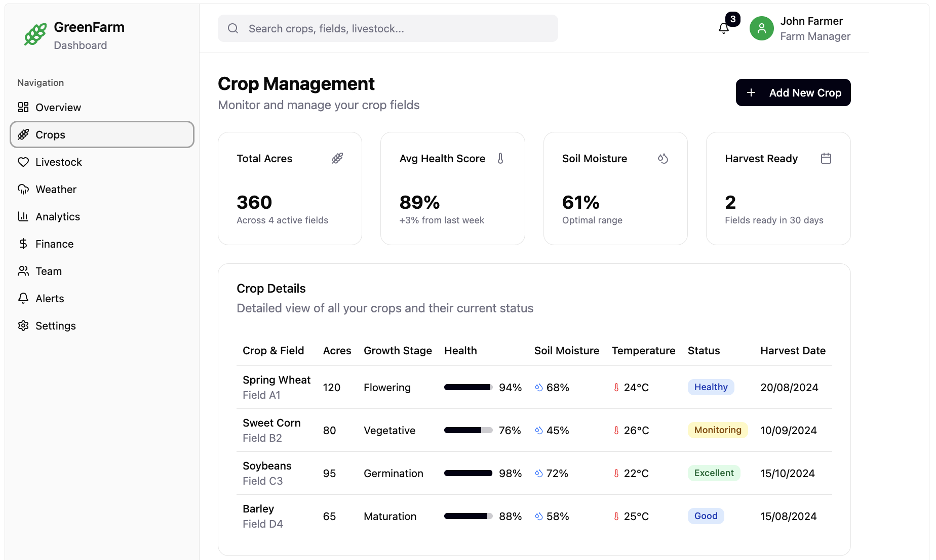
c) Farm Management Software
Example of a crop management dashboard showing crop health, soil moisture, and yield insights (UI concept) — UI design by Akula Naresh (Figma Community), licensed under CC BY 4.0
Some farm management platforms include AI disease detection as part of a larger toolkit. These platforms collect data from field sensors, satellite feeds, and farmer-uploaded photos, then use AI to detect disease patterns alongside weather alerts, soil conditions, and yield tracking. Instead of switching between multiple apps, you can manage the health of your entire operation from a single dashboard. CropIn and Fasal are two examples of this type of platform.
Best for: Farmers who want to manage their entire operation in one place.
Cost: Subscription-based, varies by provider.
How Farmers Actually Use AI
How you use AI depends on the size of your farm. The process looks different depending on whether you are farming with a smartphone or running a larger operation with drones. Here is how both work in practice.
For Individual Farmers (Smartphone App)
Step 1: Notice something unusual. You spot a leaf that looks discolored, has spots, or looks different from the rest of the plant.
Step 2: Take a clear photo. Take a close-up photo of the affected leaf or plant part in natural light. Image quality directly affects how accurate the result will be.
Step 3: Upload the photo to the app. Open your app, upload the photo, and wait for the result. This usually takes just a few seconds.
Step 4: Read the diagnosis. The app will tell you the most likely disease, how confident it is, and the recommended treatment steps.
Step 5: Take action. Follow the treatment recommendation. This could mean applying a specific fungicide, removing affected plants, adjusting irrigation, or consulting a local agronomist for confirmation.
Real example: In East Africa, a farmer named Josephine used the PlantVillage Nuru app to check her cassava crop. The app helped her identify which plants were healthy, so she used only that material to replant an entire acre with zero infected plants. (Source: Fritz AI / PlantVillage)
In India, a chili farmer used Plantix to diagnose a struggling crop. The app found the problem: the plants simply needed more water. Within weeks, the crop was healthy again. (Source: Harvard Business School)
For Large Farms and Commercial Operations (Drone and Satellite with Computer Vision)
Step 1: Schedule a drone flight or satellite image capture. Set up a drone to fly over the farm, or use a satellite imaging service that covers your region, on a weekly or fortnightly schedule during the growing season.
Step 2: Images are processed. The drone or satellite images are automatically fed into a computer vision system. The AI scans every image for signs of disease, stress, or unusual color patterns across the entire field.
Step 3: Receive a field map with flagged areas. You get a visual map of your farm showing which areas are at risk of disease, how widespread it is, and how urgent the issue is.
Step 4: Send a team to inspect and confirm. Focus your ground team only on the flagged areas to save significant time compared to checking the whole farm manually.
Step 5: Take targeted action. Apply treatment only to the affected areas, reducing pesticide use and costs while protecting the rest of the crop.
Real example: A study on corn farms in New Hampshire tested drone-based AI detection of Northern Corn Leaf Blight. The AI detected signs of disease weeks before they became visible to the naked eye, allowing farmers to apply treatment sooner, reduce pesticide use, and adjust their harvest schedule before losses could occur. (Source: University of New Hampshire)
Benefits of Using AI for Disease Detection
The biggest gain is timing. AI catches disease weeks before it becomes visible, giving you time to treat a smaller area and stop the spread. FAO data shows that timely action can significantly reduce the 40% crop loss that many farmers face every season. (Source: FAO)
The financial benefits add up. When AI tells you exactly which disease you are dealing with, you apply the right treatment rather than spraying broadly across the field. That precision cuts pesticide costs. Field checks that used to take hours now take seconds, so you cover more of your crop in less time and with less guesswork.
For newer farmers, there is another benefit: confidence. Instead of guessing, you get a data-backed diagnosis that builds experience faster than trial and error ever could. For a broader look at how AI is being used across farming, read our guide on AI in agriculture.
Limitations of AI
AI tools are helpful, but not perfect.
Accuracy is not always 100%. It can drop depending on image quality, lighting, and the type of disease. Less common diseases may not be in the AI’s database at all. (Source: MDPI Agronomy Journal)
Image quality matters. A blurry photo taken in poor light will give you a weak or wrong result.
Works best for common diseases. AI models are trained on the most widely documented diseases. Rare or new diseases may not always be identified correctly.
Human judgment is still needed. AI is a first check, not a final verdict. For serious or unclear results, always confirm with a local agronomist before making large decisions.
Requires a basic setup. Not all farmers have access to a smartphone or reliable internet. Some apps like PlantVillage Nuru work offline, which helps, but the setup barrier still exists for some.
How to Get Started
You do not need to overhaul your entire operation. Start where you are and build from there.
The first decision is picking the right tool. For most small and medium farms, a free app like Plantix is enough to begin. If you manage a larger operation, explore precision farming tools such as drone or satellite imaging services with built-in AI disease detection. Either way, start small: pick one crop or one section of your farm to test first. This keeps the setup manageable and lets you build confidence before expanding.
Once you have a tool, make checking a regular habit. Whether that means photographing crops once a week on your smartphone or scheduling routine drone flights, consistency is what makes AI useful. The earlier you catch a problem, the less it costs to fix. As your confidence grows, compare the AI’s results with your own observations on the ground, and consult an agronomist when results are unclear. Over time, the data you collect sharpens your decisions and speeds up your response.
Crop diseases have always been a risk for farmers, but late detection no longer has to be. AI tools now give farmers of all scales access to fast, affordable, and accurate disease detection directly from their smartphones.
For larger operations, drone and satellite systems powered by computer vision enable continuous monitoring across entire farms and help identify issues before they turn into costly losses.
The barrier to entry is low: a smartphone, a free app, and a consistent habit of monitoring crops.
Organizations looking to implement AI-powered crop monitoring can connect with Omdena to improve disease detection, reduce crop losses, and make more informed farming decisions.
FAQ
How accurate is AI in detecting crop diseases?
AI can reach over 90% accuracy in controlled conditions, but real-world results vary based on image quality and crop type. It is best used for early detection, not as a final diagnosis.
Can AI detect crop diseases using a smartphone?
Yes, AI-powered apps can analyze plant photos and provide instant disease identification. Accuracy improves when images are clear, close-up, and taken in good lighting.
What types of AI tools are used for crop disease detection?
AI tools include mobile apps for quick diagnosis, drones for field monitoring, satellite imagery for large-scale analysis, and farm software for integrated insights.
Is AI crop disease detection suitable for small farms?
Yes, mobile-based AI tools are affordable and easy to use, making them ideal for small and medium farms. They require minimal setup and provide quick results.
Can AI detect crop diseases before visible symptoms appear?
AI can identify early stress signals and subtle patterns before symptoms become visible. This is especially effective with drone and satellite-based monitoring.
What are the limitations of AI in crop disease detection?
AI accuracy depends on data quality and may struggle with rare diseases or poor images. It should be used alongside human expertise for important decisions.
Share this article
Share on LinkedIn, send by email, or copy the direct link.